Advanced Sobriety
Women's Group
For women in sustained recovery
who want depth, resilience, and real-life tools.
For women in sustained recovery who want depth, resilience, and real-life tools.
You did the hard part.
Now comes the question no one prepared you for:
What does life look like after alcohol (or early recovery) is no longer the center of it?
Many women reach stable sobriety and discover something unexpected. The crisis is over — but the blueprint for the next chapter doesn't automatically appear.
Many people come to The Foundations Blueprint™ after leaving or questioning systems that once provided certainty, belonging, or meaning. When those systems no longer fit, the task isn't rejection — it's redesign.
This work supports people navigating religious, spiritual, or other high-control deconstruction who need structure and support while redesigning meaning, identity, and agency.
The In-Between Season
You may be functioning. Responsible. Reliable. Even successful.
But underneath that competence there can still be:
- A quiet sense of disorientation
- Stress that doesn't have a healthy outlet yet
- Habits that need redesign, not just removal
- Identity questions that don't fit into early recovery spaces
- The feeling of being "past survival" but not yet fully alive
This group exists for that in-between season.
Not early recoveryNot crisis managementNot therapy
"This is the phase where women intentionally design a life that actually supports long-term sobriety — emotionally, physically, relationally, and structurally."
The Facilitator
About Dr. Jo
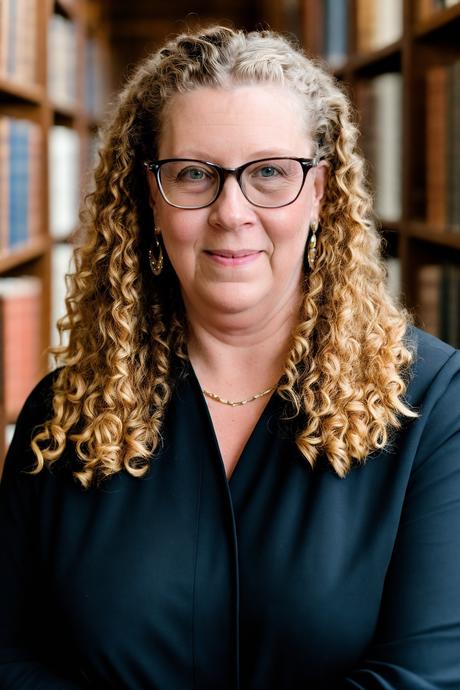
Dr. Jo is a recovery specialist with nearly 35 years of continuous sobriety and decades of professional experience working in substance use recovery. She supports high-functioning women in sustained sobriety who are ready to move beyond maintenance and intentionally design the next phase of life.
She has walked through nearly every season of adulthood sober — career growth, grief, celebration, reinvention, relationships, stress, and change. Her work is grounded not only in training and leadership within recovery settings, but in lived experience of building a full life without alcohol.
Dr. Jo specializes in the rebuilding phase of recovery — the stage where survival is no longer the goal, but alignment, structure, and identity become the focus. Her approach blends modern wellbeing science, habit architecture, and strengths-based recovery design.
Why This Group Exists
The Problem
Most sobriety support is built for crisis.
Very little is built for the long middle — the years where women are functioning, responsible, and sober… but still asking: Is this it?
The Reality
Sustained recovery isn't maintained by willpower alone.
It is maintained by structure, identity reinforcement, and environments that support the nervous system long after alcohol is removed.
Not relapse prevention. Life design.
What Changes When Women Rebuild
Participants don't join to talk about alcohol.
They join to build the architecture of a life that holds.
Participants don't join to talk about alcohol. They join to build the architecture of a life that holds.
- Clearer Identity
Moving beyond "person in recovery" to a fully integrated self-concept that isn't defined by what you don't do.
- Stronger Structure
Daily routines that protect energy and reduce decision fatigue.
- Nervous System
Building a nervous system that tolerates stress without needing to numb out.
- Direction & Depth
A growing sense of purpose and the ability to enjoy life without waiting for the next crisis to solve.
How The Group Works
This is a structured, science-informed growth group. The goal is not to do more. The goal is to design better support.
This is a structured, science-informed growth group.
The goal is not to do more. The goal is to design better support.
Brief Teaching
Guided Reflection
Practical Exercises
Safe Discussion
Weekly Commitment
Framework: PERMAH Wellbeing Model
Focus areas include emotional regulation, purpose, boundaries, meaning, identity, accomplishment, and health habits.
The goal is not to do more. The goal is to design better support.
Is This Your Next Step?
You don't need answers. You need stability and curiosity.
- Who This Is For
- You are stable in sobriety.
- You feel functional but want direction.
- You want structure, not just support.
- You value reflection and tools.
- You are ready to build intentionally.
- Signs You're Ready
- Sobriety feels stable but life feels unfinished.
- Early recovery spaces no longer fit.
- Stress shows as restlessness, not crisis.
- You want growth without chaos.
- You're craving depth, not drama.
- Who This Is Not For
- Early detox or crisis.
- Emergency mental health needs.
- Clinical therapy seekers.
- Unstructured venting spaces.
- Sponsor or 12-step replacement.
If this resonates, you're in the right place. Secure your seat
The Vision
Imagine Six Months From Now
- Same job.
- Same relationships.
- Same responsibilities.
But you feel steadier.
Your routines hold.
Stress doesn't hijack your day.
You trust your decisions.
Not because life changed. Because your structure did.
Logistics
- Weekly Sessions
Small-group format
- 75–90 Minutes
Focused, respectful of time
- Limited to 10
Intimate and safe
- Confidential
Professional environment
Investment
Women don't stay because they paid.
They stay because it works.
Women don't stay because they paid. They stay because it works.
$300
/month
- Weekly live sessions.
- Curated resources & tools.
- Small group intimacy (Max 10).
- Direct guidance from Dr. Jo.
- Cancel anytime.
Frequently Asked Questions
When people are navigating deconstruction, it's common to have questions about safety, scope, boundaries,
and fit. This page is designed to offer clear answers — not persuasion — so you can understand what this
work is and decide what feels right for you.
Frequently Asked Questions
Is this therapy?
No. This is a structured growth group, not clinical therapy. The focus is forward movement, habit design, and wellbeing architecture after sobriety. If you need therapy or crisis support, this group is not a substitute.
What if I miss a session?
Life happens. Missing occasionally won’t remove you from the group. Consistency helps you get the most value, but perfection isn’t required.
Do I have to share personal details?
No one is forced to speak. Participation is encouraged, but you control what and how much you share. Many women start by listening and contribute more over time.
How long do people usually stay in the group?
Some stay a few months, others longer. The group is ongoing, and members remain as long as it feels supportive and useful.
Is there homework?
Not homework — design work. Each week includes a small practical commitment that helps you apply what we discuss in real life. The focus is doable change, not extra pressure.
Do I have to be newly sober to join?
No. This group is designed for women who are already stable in sobriety and asking, “What now?” It’s for the rebuilding phase, not early detox or crisis recovery.
Do we talk about alcohol every session?
Not usually. Alcohol is the background context, not the weekly topic. The work centers on identity, structure, stress regulation, relationships, and building a life that supports sobriety long-term.
Is the group confidential?
Yes. Psychological safety is essential. Participants agree to strict confidentiality so the space remains honest and supportive.
What if I’m not sure I’m “ready”?
Most women who join don’t feel fully ready — they feel curious, stuck, or restless. That’s enough. Readiness grows through participation.
If you’re in the rebuilding phase, you don’t have to do it alone.
You’ve already proven you can survive change.
This group is about learning how to live well inside it.
If you’re ready to move from maintenance to intentional design —from coping to construction — your seat is here.
Start building the next chapter now.
You don't have to overhaul your life.
You just have to build instead of drift.
Enrollment is limited to protect the group
The consultation is not a sales call. It's a mutual fit conversation to ensure this work is ethical, appropriate, and supportive for where you are.



Copyright © . Advanced Sobriety Women's Group